

Learn about tree installation in Utah, transplanting tips, planting timing, and the best trees for Northern Utah landscapes. Contact us today.
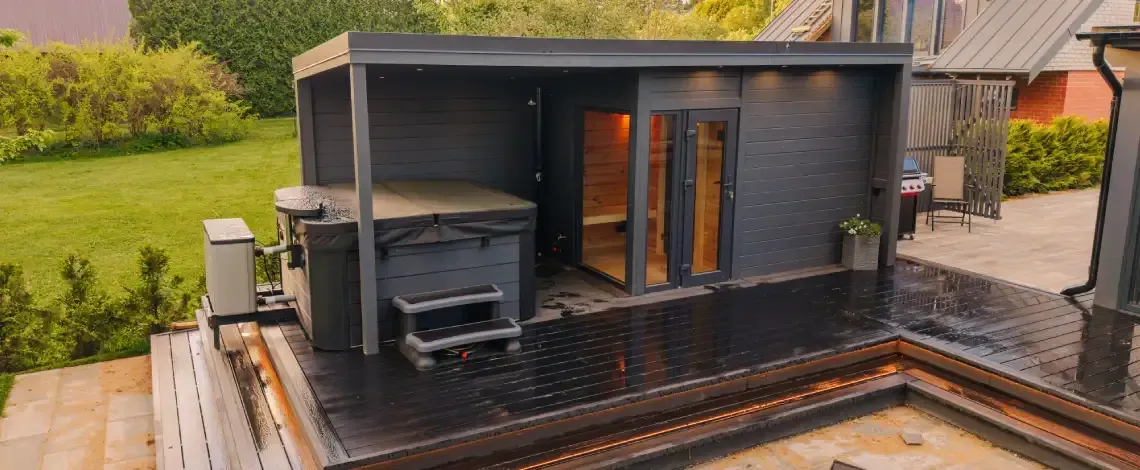
Explore outdoor sauna and cold plunge costs, installation needs, and design ideas for Northern Utah backyards. Contact us today.
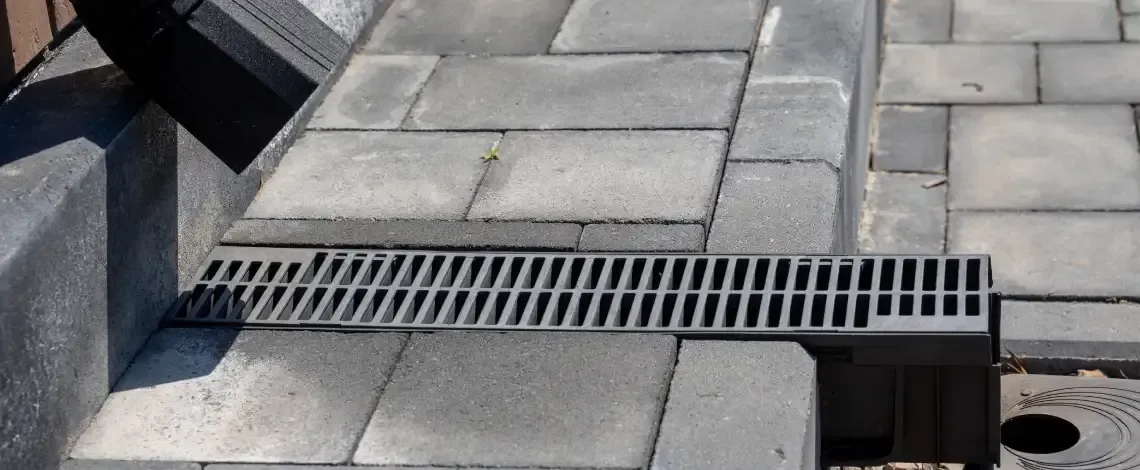
Learn how grading and surface drainage can help prevent water damage across your Northern Utah landscape. Contact us today.
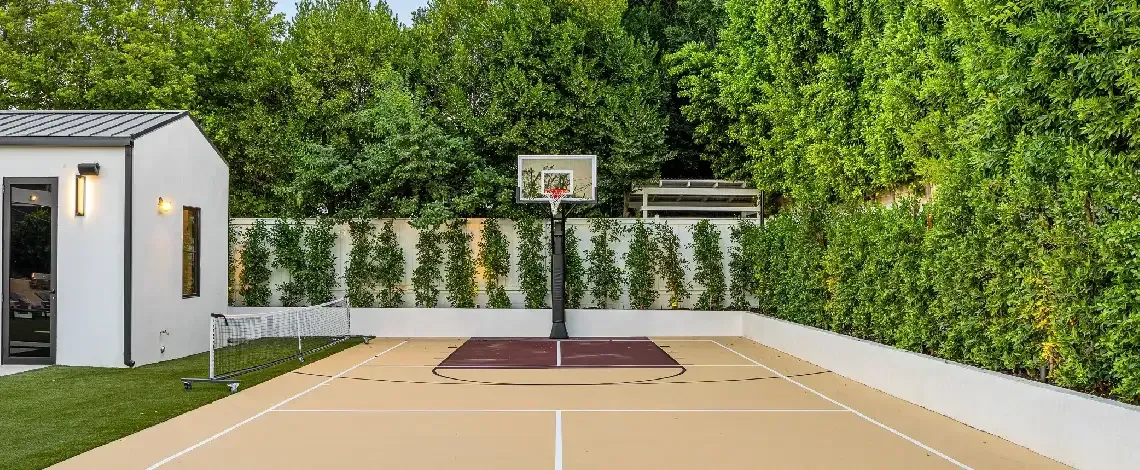
Compare pickleball, basketball, and multi-use sport court options for Northern Utah homes. Contact ElmWood Landscape to plan your court.

Learn what to expect from pool and spa installation in Ogden, UT, from design and grading to final details. Contact ElmWood Landscape today.

See why land grading and site preparation matter before building in Northern Utah. Contact us to plan your project.
Compare pergolas, pavilions, and backyard shade structures for homes in Ogden and Davis County. Contact us today.
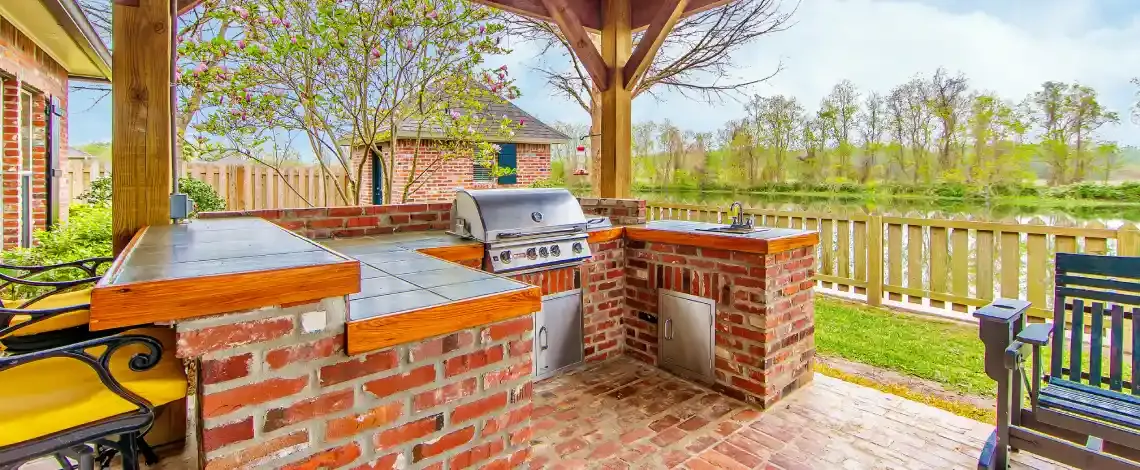
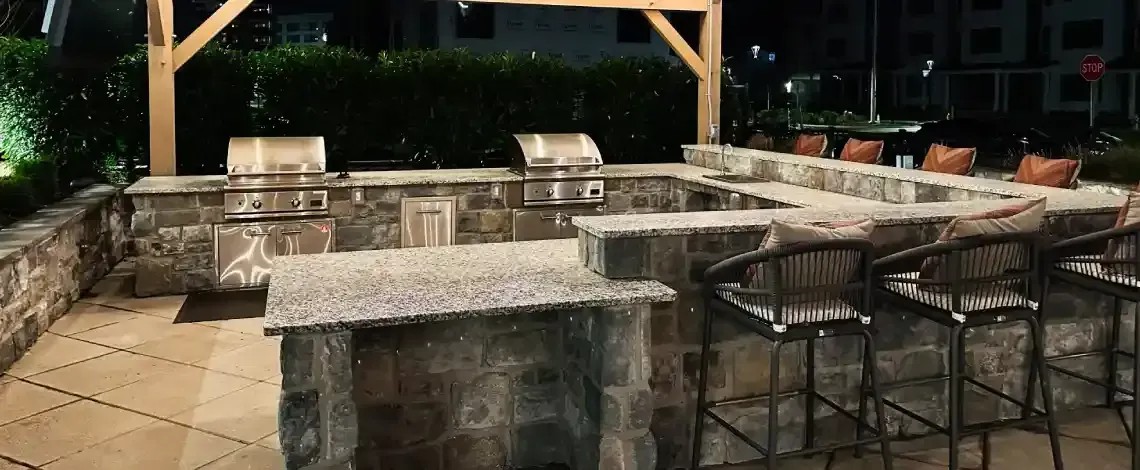
Plan a durable outdoor kitchen in Northern Utah with budgeting, design, material, and seasonal maintenance tips. Contact us today.

Learn the real cost and benefits of artificial turf in Northern Utah. Discover why Ogden homeowners are choosing low-maintenance synthetic turf solutions.
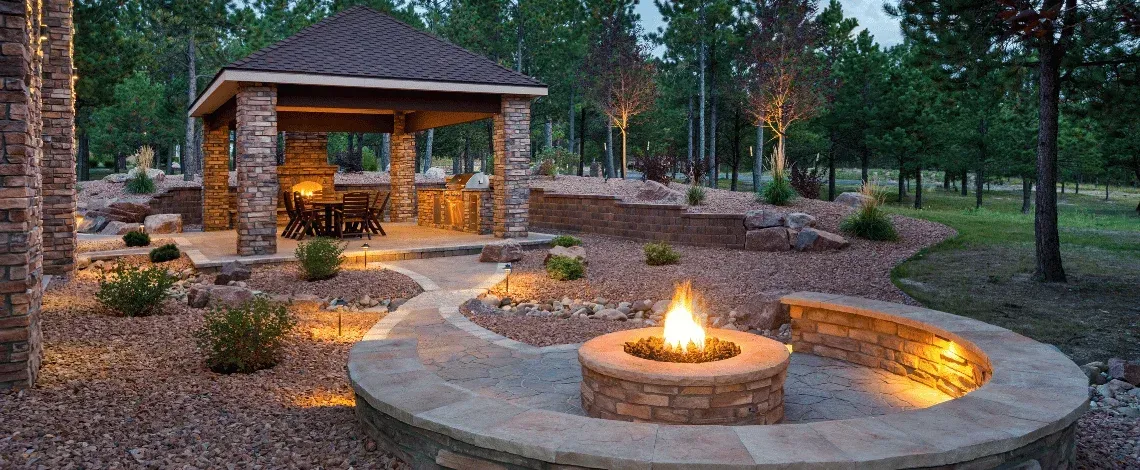
Discover hardscape design in Layton, UT with patios, walkways, fire pits, and retaining walls built to handle Utah winters. Learn about durable hardscape installation solutions.
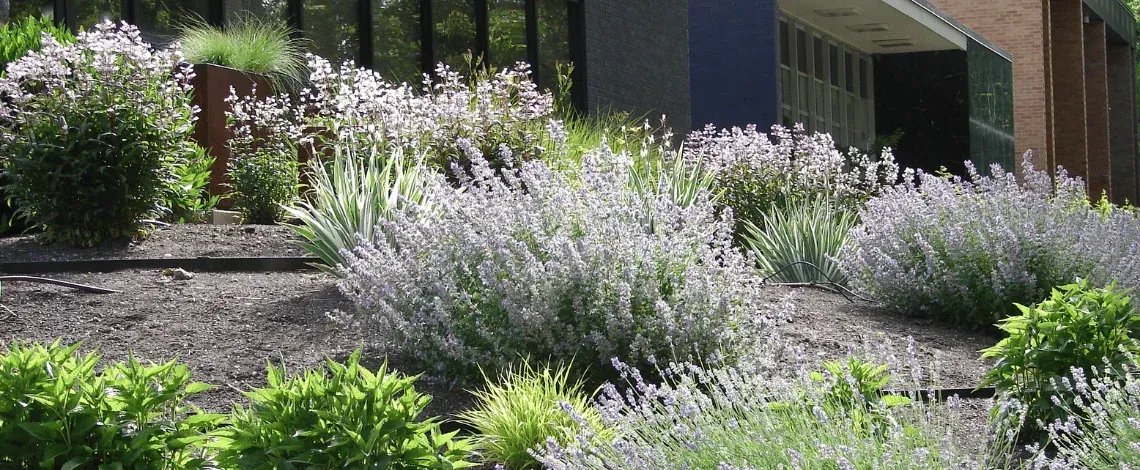
Discover how xeriscaping in Utah helps homeowners create beautiful, low maintenance landscapes with drought tolerant plants that thrive in Ogden’s climate.
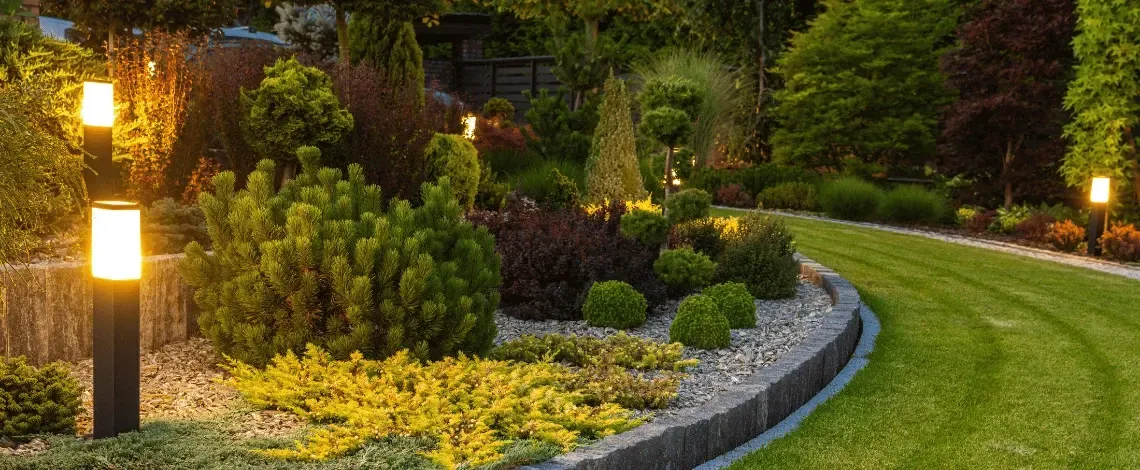
Looking for a landscape lighting designer in Layton or Ogden, UT? Learn how custom landscape lighting improves safety, curb appeal, and outdoor living.
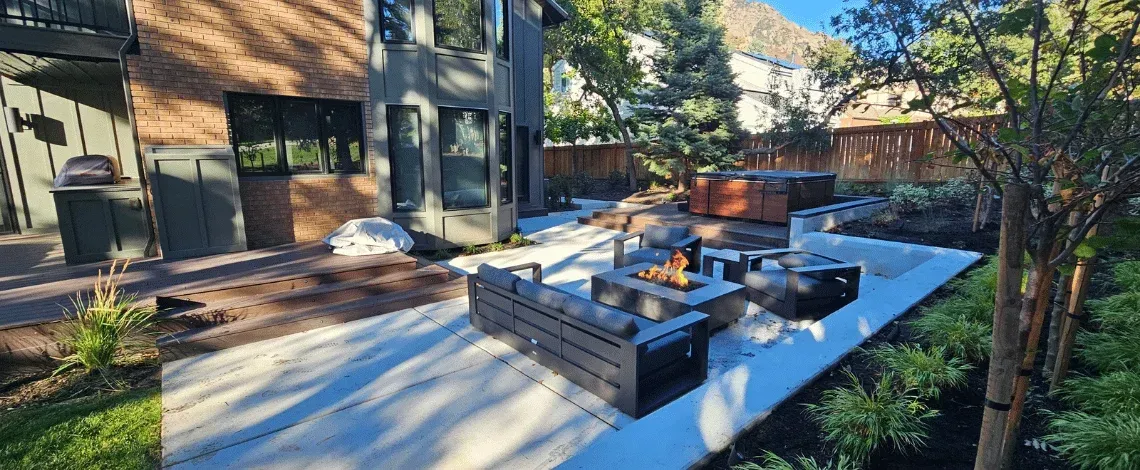
Learn how custom landscape design works in Northern Utah. See the full process, real timelines, and cost ranges for your project in Ogden and nearby areas.
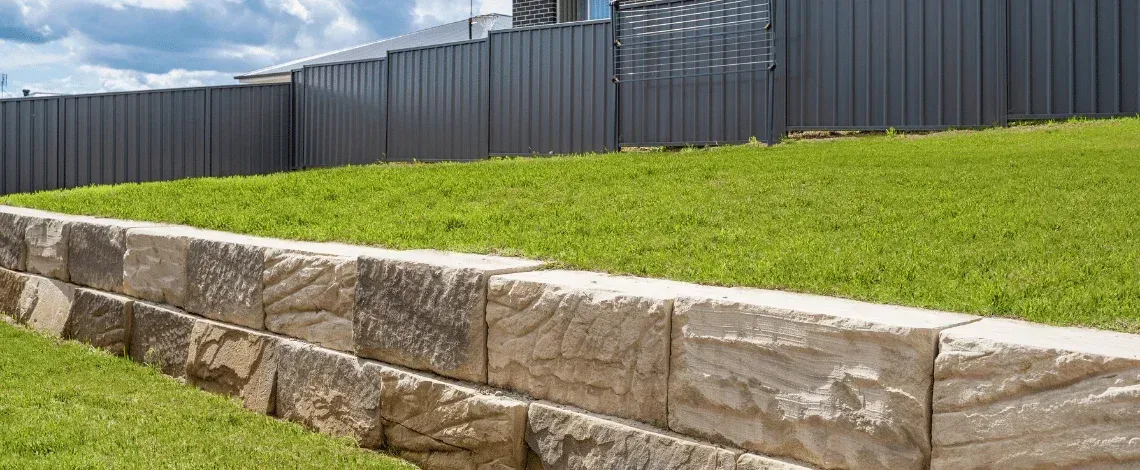
Retaining walls in Ogden and Northern Utah built for slopes, clay soil, and freeze-thaw cycles. Learn wall types, 2026 costs, and how to choose the right contractor.
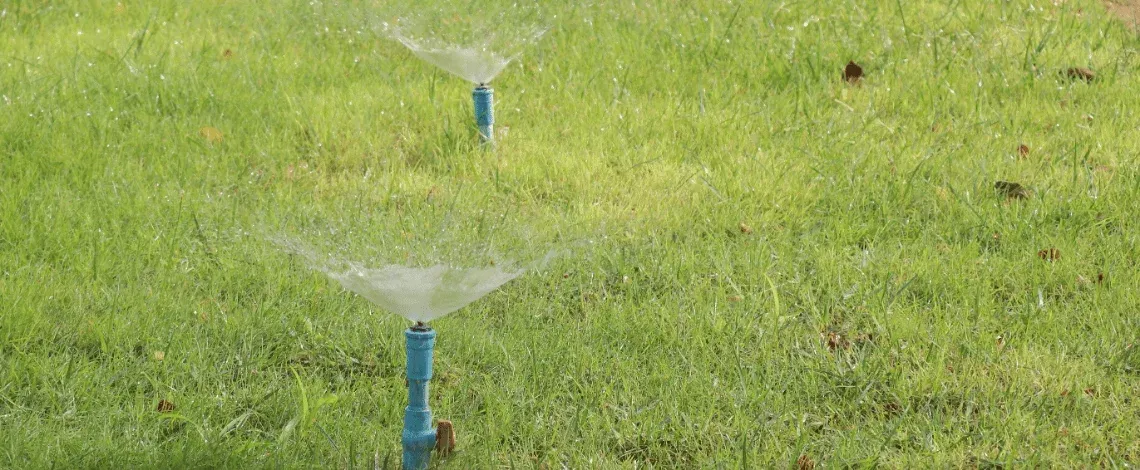
Get expert sprinkler installation in Layton and fast sprinkler repair in Davis County. Learn when to service your system, common issues, and how to save water year round.
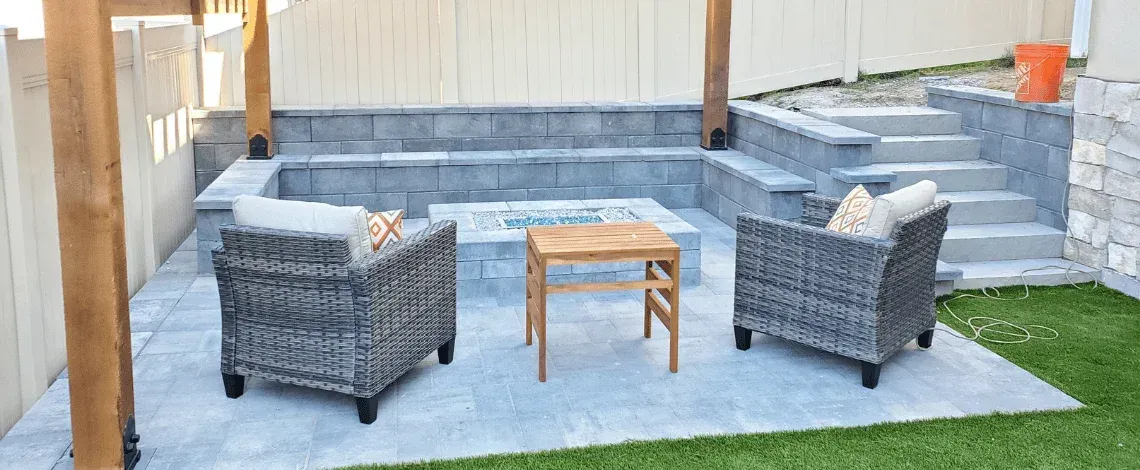
Explore concrete landscaping in Utah including patios, driveways, and stamped concrete. Learn design options, costs, and what to expect from a trusted concrete contractor in Northern Utah.
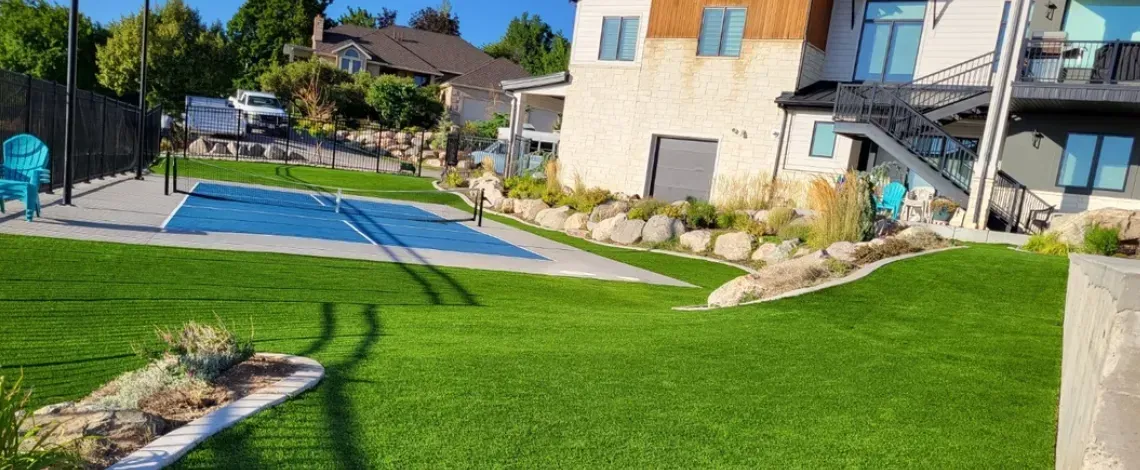
Transforming your outdoor space into a functional and inviting living area is an exciting project that can enhance your quality of life and the value of your property. In this step-by-step guide, we'll walk you through the process of building an outdoor living area, from initial planning and design to construction and final touches. Get ready to turn your outdoor space into a haven for relaxation, entertainment, and enjoyment. Step 1: Define Your Goals and Needs Before you begin, it's essential to clarify your goals and needs for your outdoor living area. What is the primary purpose? Are you looking for a cozy space for relaxation, a space for outdoor cooking and dining, or a place for social gatherings? Consider your family's lifestyle, preferences, and any specific features you want to include. Step 2: Create a Budget Determine your budget for the project. It's essential to have a clear understanding of how much you're willing to invest in your outdoor living area. Consider the costs of materials, labor, permits, and any additional features you plan to include. Step 3: Design and Plan Engage a professional designer or landscape architect to help you create a design that aligns with your goals and budget. They will consider the layout, traffic flow, zoning regulations, and local climate when developing your outdoor living area's blueprint. This is the stage where you select elements such as seating areas, fire features, outdoor kitchens, lighting, and landscaping. Step 4: Choose Materials and Features Select materials and features that suit your design. This includes decisions on hardscaping materials like pavers, concrete, or wood for the flooring, as well as outdoor furniture, plantings, lighting fixtures, and any additional features like pergolas, fire pits, or water features. Ensure that your choices are not only aesthetically pleasing but also durable and suitable for outdoor use. Step 5: Obtain Necessary Permits Check with your local authorities to determine if you need permits for your outdoor living area. Depending on the project's size and complexity, you may need permits for construction, electrical work, or plumbing. It's crucial to comply with local regulations to avoid issues later. Step 6: Prepare the Site Clear the designated area and prepare the site for construction. This may involve excavation, leveling, and ensuring proper drainage. Adequate site preparation is essential for the long-term stability and functionality of your outdoor living area. Step 7: Construction and Installation The construction phase involves the installation of hardscaping materials, such as the flooring, walls, and any additional structural elements like pergolas. This is also the stage where electrical and plumbing work, if necessary, is completed. Skilled contractors and tradespeople are typically involved in this phase. Step 8: Landscaping and Planting Once the structural elements are in place, it's time to add greenery and landscaping. Select and plant trees, shrubs, flowers, and any other vegetation to complement your outdoor living area's design. Step 9: Furnish and Decorate Add outdoor furniture, cushions, and decor to create a welcoming and comfortable atmosphere. Choose pieces that fit your design aesthetic and provide the functionality you desire. Step 10: Lighting and Final Touches Install outdoor lighting to enhance the ambiance and safety of your living area. This may include path lighting, accent lighting, and overhead fixtures. Complete your outdoor space with final touches such as decorative accessories, outdoor rugs, and personal touches that make it uniquely yours. Step 11: Regular Maintenance To ensure your outdoor living area remains in pristine condition, establish a maintenance routine. This may include cleaning, sealing hardscaping materials, trimming plants, and checking for wear and tear. Conclusion Building an outdoor living area is a rewarding project that can transform your property into a functional and aesthetically pleasing space. By following this step-by-step guide, you can create the outdoor haven you've always dreamed of. Whether you're looking for a peaceful retreat, a hub for entertainment, or a combination of both, careful planning, design, and execution will help you realize your vision and make the most of your outdoor space.
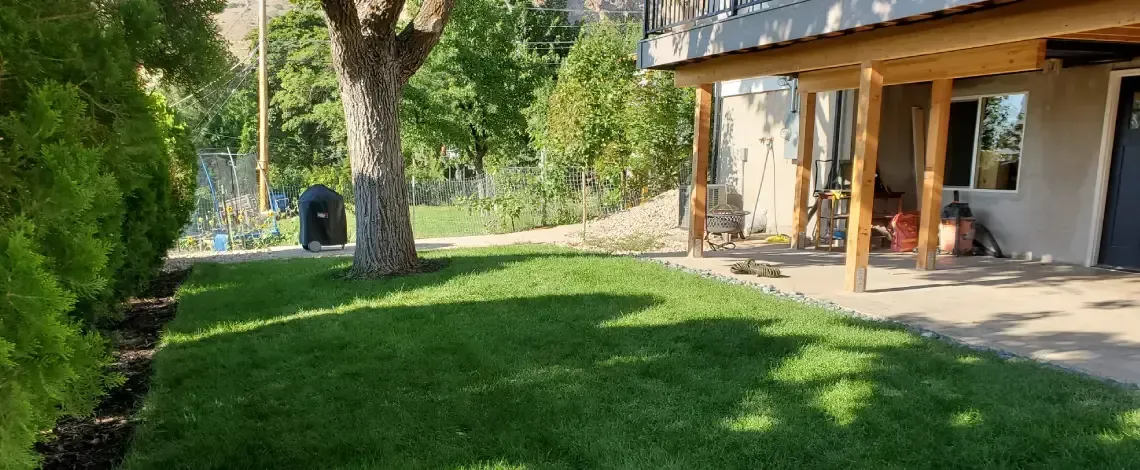
As the fall season transforms Utah's landscapes into a tapestry of warm hues, it's a reminder that winter is just around the corner. Preparing your landscape for the cold months ahead is essential to ensure the well-being of your plants, the beauty of your outdoor space, and the ease of springtime revival. In this post, we'll explore the steps to get your Utah landscape ready for winter, protecting it from harsh weather and preparing for a successful spring reawakening. Clean Up Your Garden and Yard : Begin by clearing your landscape of fallen leaves, dead plants, and other debris. A tidy yard minimizes the risk of pests and diseases that might otherwise thrive under leaf litter. Prune and Trim : Properly prune your trees, shrubs, and perennial plants. Remove dead or overgrown branches, and cut back perennials to ground level. This helps direct the plant's energy toward the root system, promoting healthy regrowth in the spring. Protect Vulnerable Plants : For delicate or less cold-resistant plants, consider wrapping them with burlap or providing them with a protective cover to shield them from the cold and snow. Mulching around their base can also help maintain a more consistent temperature. Address Your Lawn : Before the ground freezes, it's a good idea to give your lawn some attention. Continue regular mowing but gradually lower the height of the mower. Aerate your lawn to allow better water and nutrient penetration, and consider applying a winterizing fertilizer. Irrigation and Sprinkler Systems : Drain and shut off your irrigation and sprinkler systems to prevent freezing and potential damage. Store hoses indoors to prevent cracking, and insulate outdoor spigots. Pots and Containers : If you have potted plants, consider moving them indoors, especially if they are tropical or frost-sensitive. If they're too large to move, provide insulation or frost protection for the containers. Winterizing Water Features : If you have a pond or other water features, consider installing a pond heater to prevent the water from freezing entirely. This will protect your aquatic life and the integrity of your feature. Plan for Snow Removal : Make sure you have the necessary tools and equipment for snow removal, including shovels and de-icing materials. Keeping walkways clear is essential for safety during the winter months. Bird Feeders and Wildlife : Winter can be tough on wildlife. Keep your bird feeders stocked with birdseed, and consider providing shelter for local wildlife, such as squirrel feeders or heated birdbaths. Enjoy the Winter Beauty : While winter in Utah can be challenging, it also brings a unique beauty to your landscape. Consider adding some winter-interest plants, like evergreens or shrubs with colorful berries, to enjoy the visual appeal of your outdoor space even in the colder months. Conclusion Preparing your Utah landscape for winter is a proactive way to ensure its resilience and beauty throughout the changing seasons. Taking these steps will not only protect your plants and outdoor features but also create a more enjoyable and manageable landscape come springtime. By giving your landscape the care it deserves, you can look forward to a successful winter season and an even more vibrant and thriving landscape in the spring.
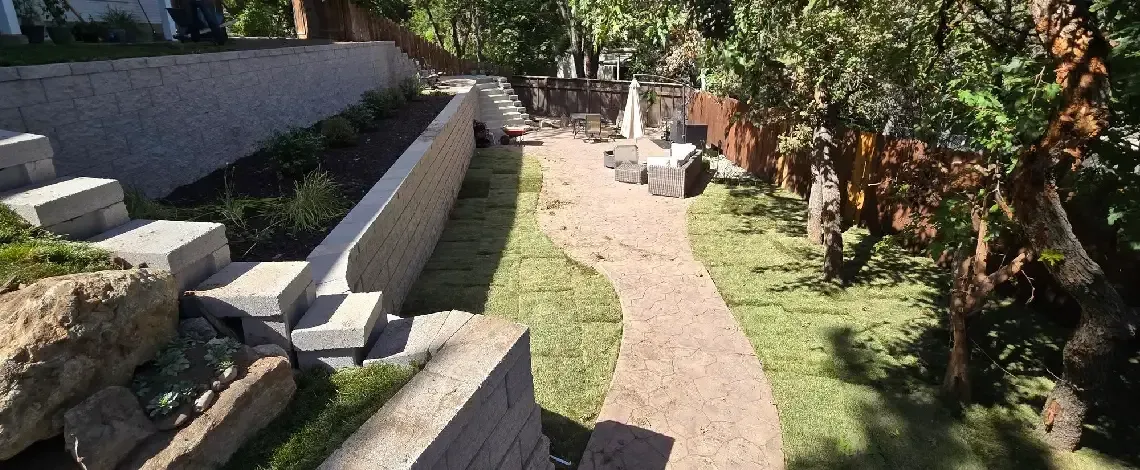
When it comes to enhancing your outdoor space, turning your landscaping dreams into reality requires the expertise and dedication of a skilled landscaper. In Layton, Utah, Elmwood Landscape has earned a stellar reputation for their exceptional landscaping services. In this post, we'll delve into the reasons why Elmwood Landscape is widely regarded as the best landscaper in Layton, Utah, and why you should entrust them with your landscaping projects. 1. Local Expertise and Knowledge : Elmwood Landscape has a deep understanding of Layton's unique climate, soil conditions, and local plant species. This local expertise is invaluable in creating landscapes that thrive in Utah's varying seasons. 2. Customized Designs : Elmwood Landscape takes pride in creating customized landscape designs tailored to meet your specific needs and preferences. Whether you're looking for a drought-resistant xeriscape or a lush garden filled with vibrant flowers, their team can bring your vision to life. 3. Professional Team : Elmwood Landscape's team is comprised of highly skilled and experienced professionals who are dedicated to their craft. Their passion for landscaping shines through in the quality of their work and attention to detail. 4. Wide Range of Services : Elmwood Landscape offers a comprehensive range of landscaping services, including landscape design, installation, irrigation systems, hardscaping, and maintenance. This one-stop-shop approach ensures that every aspect of your landscape is expertly handled. 5. Sustainable Practices : Elmwood Landscape is committed to sustainable landscaping practices. They use environmentally friendly materials and techniques to minimize the environmental impact of their work. Their xeriscaping expertise, for instance, can help you conserve water and reduce maintenance. 6. Exceptional Customer Service : Elmwood Landscape values its clients and places a strong emphasis on customer satisfaction. They work closely with you throughout the project, keeping you informed and involved in the decision-making process. 7. Attention to Detail : What sets Elmwood Landscape apart is their meticulous attention to detail. From plant selection to hardscape installation, their precision ensures that your landscape is not only beautiful but also functional. 8. Proven Track Record : Elmwood Landscape's portfolio of completed projects and satisfied customers is a testament to their excellence in the field. Their track record speaks to their reliability and ability to deliver exceptional results. Conclusion Elmwood Landscape has earned its reputation as the best landscaper in Layton, Utah, through a combination of local expertise, customized designs, a professional team, and a commitment to sustainable practices. Whether you're envisioning a complete landscape transformation, a beautiful garden, or a water-efficient xeriscape, Elmwood Landscape has the experience and skill to bring your landscaping dreams to life. When you choose Elmwood Landscape, you're choosing quality, professionalism, and a commitment to creating outdoor spaces that truly stand out in Layton, Utah.
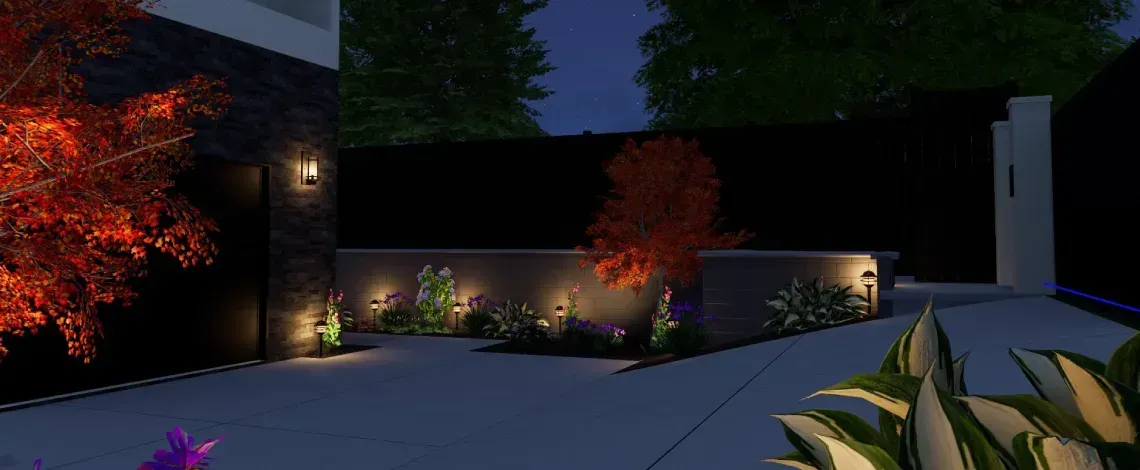
Outdoor Landscape lighting does more than just dispel the darkness; it transforms the ordinary into the extraordinary. From enhancing safety and security to creating ambiance and extending outdoor living spaces, outdoor lighting has a multitude of advantages. In this blog post, we'll shed light on the numerous benefits of outdoor lighting and why it's a valuable addition to any property. 1.Improved Safety One of the most significant advantages of outdoor lighting is improved safety. Well-placed lights illuminate walkways, driveways, and stairs, reducing the risk of accidents, trips, and falls. This is especially important during the dark winter months when visibility is limited. 2. Enhanced Security Outdoor lighting acts as a deterrent to potential intruders. A well-lit property is less appealing to burglars as it reduces hiding spots and increases the chances of detection. Motion-activated lights are particularly effective in this regard. 3. Extended Outdoor Living Space Outdoor lighting enables you to make the most of your outdoor living spaces long after the sun has set. It creates a warm and inviting atmosphere for evening gatherings, outdoor dinners, and relaxation. 4. Accentuation of Architectural Features Carefully positioned outdoor lights can highlight the architectural features of your home, garden, or other outdoor structures. The interplay of light and shadow can transform your property into a visually stunning masterpiece. 5. Increased Property Value Investing in outdoor lighting not only enhances your property's curb appeal but can also increase its overall value. Potential buyers are often willing to pay more for a home with a well-designed and well-lit outdoor space. 6. Emphasis on Landscaping Outdoor lighting allows you to showcase your landscaping efforts. Trees, shrubs, and flowers take on a new life when bathed in the gentle glow of outdoor lights, creating a breathtaking nocturnal landscape. 7. Safety for Nighttime Activities If you enjoy outdoor activities like swimming, barbecuing, or gardening, outdoor lighting extends your options well into the evening, making your outdoor hobbies safer and more enjoyable. 8. Energy Efficiency Advancements in lighting technology, such as LED and solar-powered lights, make outdoor lighting more energy-efficient and cost-effective. LED lights, in particular, consume significantly less energy and have a longer lifespan. 9. Customization and Control Outdoor lighting can be tailored to your specific needs and preferences. You can choose from a variety of fixtures, styles, and intensities to create the desired ambiance and effect. Additionally, smart lighting systems allow you to control your outdoor lights remotely, providing convenience and energy savings. 10. Greater Curb Appeal Well-designed outdoor lighting significantly enhances your property's curb appeal, making it stand out in your neighborhood. Whether you're showcasing a beautifully landscaped front yard or accentuating architectural elements, outdoor lighting can turn heads and impress visitors 11. Eco-Friendly Practices Outdoor lighting can also be environmentally conscious. By choosing energy-efficient LED lights, utilizing solar-powered fixtures, and implementing smart lighting controls, you can reduce your carbon footprint and contribute to a more sustainable environment. 12. Seasonal Decor and Festive Spirit Outdoor lighting plays a pivotal role in holiday decorations and festive celebrations. Whether it's string lights for the holidays or decorative lighting for special occasions, outdoor lighting can infuse your property with a sense of celebration and joy. 13. Guiding Paths and Wayfinding Outdoor lighting is an invaluable aid for wayfinding, particularly in larger properties or unfamiliar landscapes. It can guide guests safely to your front door, mark pathways, and create a clear sense of direction in the dark. 14. Low-Maintenance Solutions Modern outdoor lighting systems are designed for durability and low maintenance. LED lights, for example, have a longer lifespan and require fewer replacements, reducing the hassle and cost of upkeep. 15. Better Nighttime Views With outdoor lighting, you can enjoy your garden, yard, or the surrounding landscape during the evening and nighttime hours. It opens up new opportunities for stargazing, moonlit walks, and taking in the beauty of your surroundings after dark. Conclusion The advantages of outdoor lighting are numerous, ranging from improved safety and security to the creation of enchanting outdoor spaces and increased property value. Investing in outdoor lighting not only enhances the functionality of your outdoor areas but also elevates the aesthetics of your property. Whether you're looking to entertain guests, improve safety, or simply enjoy the beauty of your outdoor space, outdoor lighting is a bright idea that will illuminate your nights and enhance your overall living experience. In conclusion, outdoor lighting offers a wide array of advantages, from enhancing safety and security to creating a warm and inviting atmosphere for outdoor activities. It transforms your property into a more enjoyable, functional, and visually appealing space. Whether you're looking to make your home safer, more beautiful, or simply extend your outdoor living hours, outdoor lighting is a versatile solution that brightens every aspect of your outdoor life.
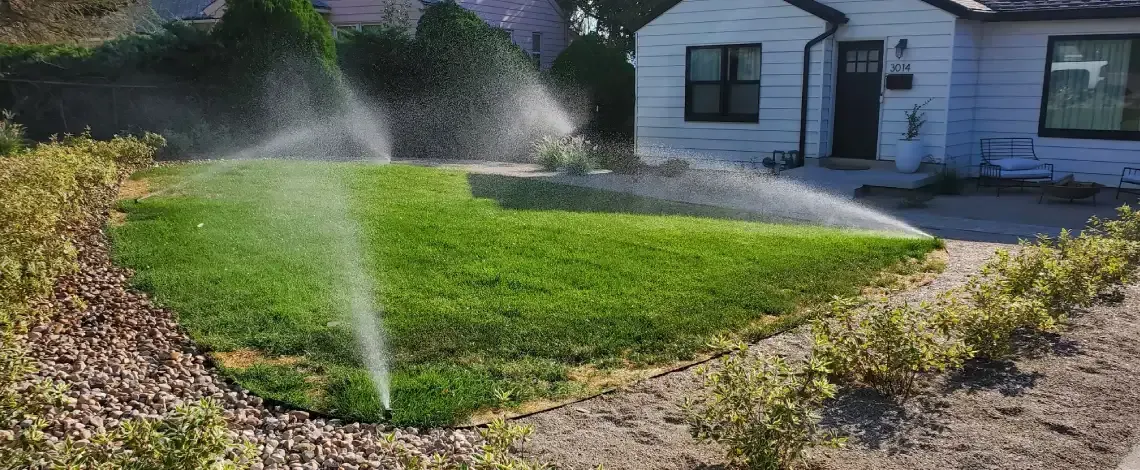
As the leaves change color and the temperature drops in Utah, it's a clear sign that winter is on the horizon. With the changing seasons, it's important to prepare your home and its systems for the cold months ahead. One crucial task often overlooked is winterizing your sprinkler system. In this post, we'll delve into the reasons why it's vital to winterize your sprinkler system in Utah to protect your investment and ensure its longevity. 1. Prevent Freezing Damage The most compelling reason to winterize your sprinkler system is to prevent damage from freezing temperatures. Utah's winters can be harsh, with freezing temperatures that can cause water left in the system to expand and potentially crack or rupture pipes, valves, and other components. Repairing or replacing these damaged parts can be expensive and time-consuming. 2. Protect Your Investment A sprinkler system is a significant investment in your property. Neglecting to winterize it can lead to costly repairs in the spring. Proper winterization safeguards your investment, ensuring that your system continues to work efficiently and effectively year after year. 3. Ensure System Longevity Regular winterization extends the lifespan of your sprinkler system. By protecting it from winter-related damage, you're preventing wear and tear on components, including pipes, valves, and heads. This means your system will continue to function at its best for many seasons to come. 4. Prevent Soil and Lawn Damage When a sprinkler system isn't properly winterized, water can remain in the lines and seep into the soil. This can lead to soil erosion and damage to your lawn. Waterlogged soil can also freeze, causing it to expand and potentially damage plant roots. 5. Maintain Water Efficiency A damaged or leaky sprinkler system is inefficient and wasteful. The water lost through leaks or damage can be significant. Proper winterization helps ensure that your system remains water-efficient, saving you money on your water bills. 6. Time and Money Savings Proactive winterization can save you both time and money. It's more cost-effective to invest in preventative maintenance now than to deal with the consequences of a damaged system in the spring. Repairing or replacing damaged components can be expensive and time-consuming. 7. Professional Expertise Winterizing a sprinkler system is a specialized task that requires professional expertise. Hiring a qualified technician to handle the winterization process ensures that it's done correctly, minimizing the risk of damage to your system. They will drain the water from the pipes and components to prevent freezing and damage. 8. Peace of Mind Knowing that your sprinkler system is properly winterized provides peace of mind throughout the cold season. You can rest assured that your investment is protected, and when spring arrives, your system will be ready to spring back to life without issues. Conclusion In Utah, where winters can be harsh, winterizing your sprinkler system is not just a good idea; it's a vital step in protecting your investment, preventing damage, and ensuring system longevity. Proper winterization performed by a qualified technician is a cost-effective way to save time, money, and stress in the long run. Don't leave your sprinkler system vulnerable to the freezing temperatures of winter; take the necessary steps to winterize it and enjoy a worry-free season, knowing that your irrigation system is safeguarded.
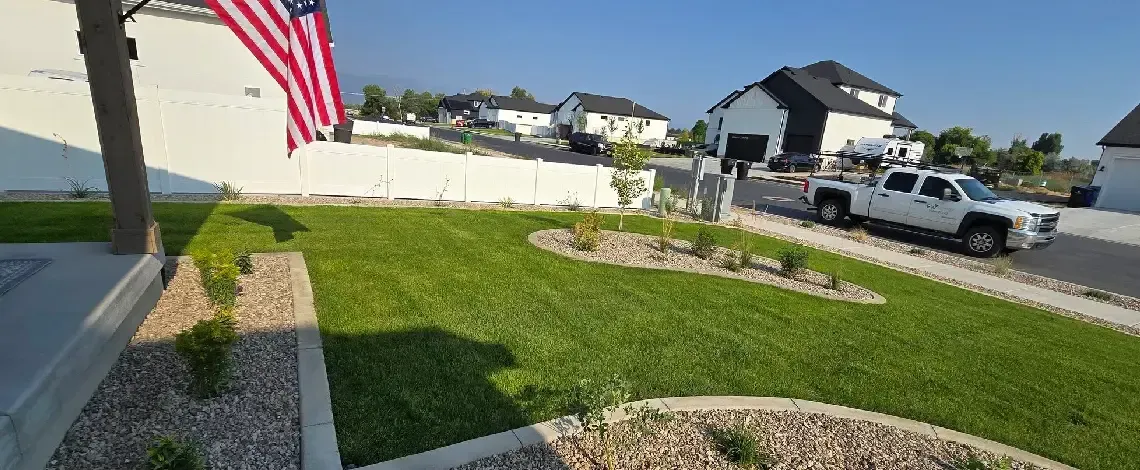
Utah's breathtaking landscapes, with its mix of deserts, mountains, and valleys, offer an ideal canvas for creating stunning outdoor spaces. Whether you're designing your residential oasis, a public park, or a commercial property, selecting the right landscape designer in Utah is crucial. In this blog post, we'll explore the factors to consider when choosing a landscape designer in the Beehive State, and how to ensure your outdoor vision becomes a reality. 1. Local Knowledge and Experience When seeking a landscape designer in Utah, prioritize professionals with a deep understanding of the local climate, soil conditions, and native plant species. Utah's varied geography demands specific expertise to ensure that your landscape thrives throughout the seasons. 2. Portfolio and Previous Work Review the designer's portfolio and past projects. Pay attention to their design style and aesthetics to ensure it aligns with your vision. Previous work can offer insights into their creativity, attention to detail, and range of skills. 3. Expertise in Sustainable Practices Sustainability is vital in today's landscaping. A knowledgeable landscape designer should be well-versed in xeriscaping and other sustainable practices. Utah's arid climate calls for water-wise landscaping solutions that conserve resources. 4. Client Testimonials Reading client testimonials and reviews can provide valuable insights into a designer's professionalism, communication skills, and overall satisfaction with their services. Contacting past clients for feedback can also be helpful. 5. Licensing and Certifications Verify that the designer is licensed and certified. This ensures they adhere to industry standards and possess the necessary qualifications to complete your project. 6. Collaboration and Communication Skills Effective communication is key to a successful landscape design project. Choose a designer who is attentive to your ideas, communicates clearly, and values collaboration to bring your vision to life. 7. Budget Considerations Discuss your budget upfront and ensure the designer can work within your financial constraints. A skilled designer can help you maximize your budget while still achieving your desired results. 8. Timelines and Deadlines Clarify the expected timeline for your project and ensure it aligns with your schedule and expectations. A reliable designer should be able to provide a realistic timeframe for project completion. 9. Permits and Regulations Knowledge of local zoning laws, regulations, and permits is crucial. A landscape designer who understands these requirements can save you from potential headaches down the road. 10. Maintenance and Long-Term Vision Consider the long-term maintenance of your landscape. A great designer should provide guidance on how to keep your outdoor space thriving and beautiful in the years to come. 11. Communication and Accessibility Choose a designer who is accessible and responsive to your questions and concerns. Open communication is vital throughout the design process. 12. Creativity and Vision Your landscape designer should be creative and innovative, bringing fresh ideas to your project while still respecting your preferences and requirements. 13. Transparent Cost Structure Make sure the landscape designer provides a transparent and detailed cost structure for your project. This should include a breakdown of expenses, allowing you to understand where your budget is allocated. A trustworthy designer will be open about costs and help you make informed decisions. 14. Knowledge of Local Flora and Fauna A landscape designer who is knowledgeable about local flora and fauna can create a sustainable and eco-friendly landscape. They should understand which plants are native to Utah and how to incorporate them into your design to support local ecosystems. 15. Insurance and Liability Coverage Verify that the landscape designer has the necessary insurance and liability coverage to protect you and their team in case of accidents or unforeseen issues during the project. 16. Commitment to Client Satisfaction Ultimately, choose a landscape designer who is committed to client satisfaction. They should prioritize your needs, preferences, and vision while also providing expert guidance and advice throughout the design process. 17. Clear Design Process A reputable landscape designer will have a well-defined design process. They should be able to explain each step and how they will work with you to create your dream landscape. Choosing a landscape designer in Utah is a significant decision that can greatly impact the aesthetics, functionality, and sustainability of your outdoor space. By considering these crucial factors and conducting thorough research, you can ensure that the landscape designer you select is the perfect fit for your project. With the right expertise and creativity, your Utah landscape will be transformed into a masterpiece that reflects your vision and embraces the natural beauty of the Beehive State.