
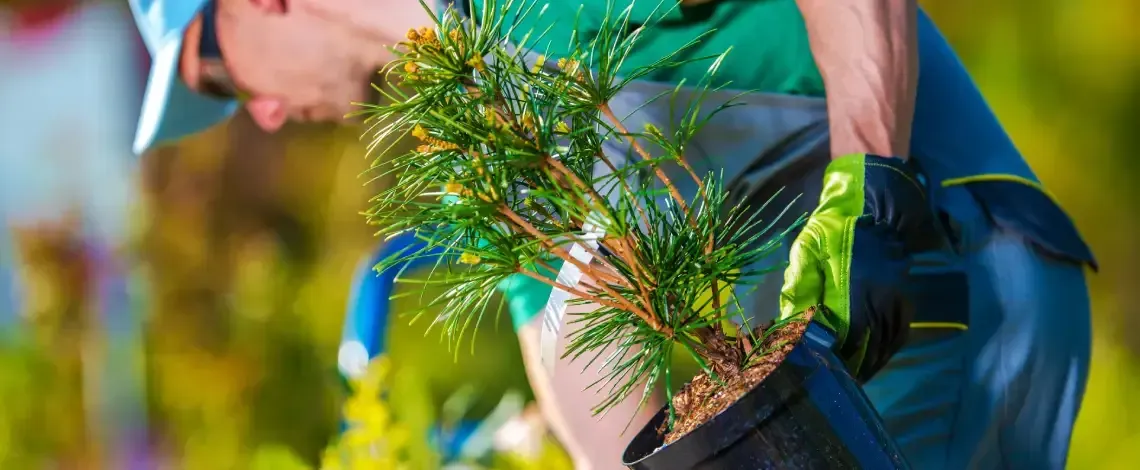
Tree Planting in Northern Utah: What to Plant and How to Help It Thrive
Jeremy Vai • September 14, 2026
Trees can add shade, privacy, curb appeal, and long-term value to a Northern Utah property. However, successful tree installation in Utah depends on choosing a tree that fits the space, planting it at the right time, and giving it consistent care afterward. Utah’s dry summers, cold winters, changing elevations, and compacted soils can all affect how well a tree establishes.
Whether you are adding new trees or moving an existing one, planning ahead makes a major difference. The right planting location, irrigation coverage, and soil conditions can help a tree grow stronger from the start. Without those details in place, even a healthy tree may struggle after installation.
Choose Trees That Fit Northern Utah Conditions
The best trees for a Utah landscape should match the amount of sun, available space, soil conditions, and irrigation on the property. A tree may look great at a nursery but still struggle if it is planted in poor drainage, in high winds, or in an area with limited water access. It is also important to think about mature height and root spread before choosing a location.
The right tree should fit your property now and in years to come. Large shade trees need more room than compact ornamental trees, while evergreens may be better suited for privacy or wind protection. Choosing the right type early can prevent crowding, heavy pruning, and future removal concerns.
Popular options for Northern Utah landscapes may include:
- Shade trees: Bur oak, hackberry, honey locust, Kentucky coffeetree, and certain maple varieties
- Ornamental trees: Crabapple, serviceberry, hawthorn, Japanese tree lilac, and flowering plum varieties
- Evergreens: Blue spruce, ponderosa pine, Austrian pine, juniper, and certain arborvitae varieties
When Is the Best Time for Tree Planting?
Spring and fall are usually the best times for tree planting in Northern Utah. Cooler temperatures put less stress on new trees and allow roots to begin settling before extreme summer heat or winter cold arrives. Spring planting is especially helpful when the soil has thawed, and the tree is still dormant or beginning to grow.
Fall can also be a strong planting season when trees have enough time to establish roots before the ground freezes. Summer installation is possible, but it requires more attention because new trees can dry out quickly in hot and dry conditions. A professional can help determine whether your site and watering setup are ready for planting during a warmer season.
| Season | Best Use |
|---|---|
| Spring | Ideal for most new tree installations |
| Early Summer | Works with consistent deep watering |
| Fall | Good for root development before winter |
| Winter | Better for planning and site preparation |
Pick the Right Planting Location
Tree placement has a major effect on long-term growth and maintenance. A tree planted too close to a home, fence, driveway, patio, or utility line can create problems as it matures. Planning for the tree’s full size helps protect both the tree and the rest of the property.
Before installation, consider:
- Mature height and canopy width
- Distance from structures and hardscapes
- Power lines and underground utilities
- Sun exposure and wind conditions
- Existing drainage patterns
- Soil compaction and clay-heavy areas
- Irrigation coverage around the root zone
Some properties may need grading or drainage improvements before tree installation. Standing water, runoff, and compacted soil can limit root development and lead to long-term health concerns. Addressing those issues early gives new trees a better chance to establish properly.
Proper Tree Installation Helps Trees Establish
Proper tree installation gives new trees a stronger start and helps reduce stress after planting. Instead of relying on guesswork, homeowners should make sure these installation details are handled correctly:
- Plant the tree at the right depth, with the root flare slightly above finished soil grade
- Dig a planting hole wide enough for roots to spread into the surrounding soil
- Check container trees for circling roots before planting
- Water deeply after installation to settle the soil around the root zone
- Add mulch to help retain moisture and protect roots from temperature swings
- Keep mulch several inches away from the trunk to prevent excess moisture buildup
- Use temporary staking only when needed in exposed or windy areas
- Remove stakes once the tree is stable and able to support itself
How to Help New Trees Survive Utah’s Climate
New trees need the most attention during their first one to three years. During this period, they are building roots and adjusting to the soil, temperature fluctuations, and the property's irrigation schedule. Consistent care can make a major difference in whether a tree grows well or declines after installation.
Focus on these essentials:
- Water deeply instead of using frequent shallow watering
- Check soil moisture below the surface during hot weather
- Add a two- to four-inch layer of mulch around the root zone
- Keep grass and weeds away from the trunk area
- Watch for leaf curling, browning, or early leaf drop
- Protect young trunks from wind, sunscald, and animal damage
- Avoid heavy fertilizer applications right after planting
Watering is especially important during hot and dry periods. A tree can show signs of stress when leaves curl, brown at the edges, or drop earlier than expected. Checking the soil below the surface is more reliable than judging moisture needs by appearance alone.
When Does Tree Transplanting Make Sense?
Tree transplanting in Northern Utah can be a good option when a healthy tree is in the wrong location but is still worth saving. Homeowners may need to move a tree because of a new patio, driveway, pool, retaining wall, or broader landscape renovation. Transplanting can also help preserve valuable trees during construction projects.
Younger and healthier trees are usually better candidates for transplanting than large, mature trees. The size of the root ball, the season, the new planting area, and the post-transplant watering plan all affect the tree’s chance of recovery. Large trees may require specialized equipment and a more detailed plan to reduce stress during relocation.
A professional transplanting plan should consider:
- Tree age and health
- Root-ball size
- Equipment access
- New location and available space
- Soil conditions and drainage
- Irrigation access
- Seasonal weather conditions
- Ongoing care after relocation
Plan Tree Installation as Part of the Full Landscape
Trees affect more than planting beds. Their placement can influence irrigation zones, drainage flow, outdoor lighting, lawn areas, patios, and future hardscape projects. Planning trees as part of the full landscape helps create a more balanced and functional outdoor space.
ElmWood Landscape can coordinate tree installation and transplanting with landscaping, drainage, grading, irrigation, and outdoor living improvements. This helps ensure new or relocated trees have the space, water, and site conditions they need to perform well over time. It also creates a more complete plan instead of treating trees as a separate addition.
Professional Tree Installation and Transplanting in Northern Utah
The right tree can become one of the most valuable parts of your landscape, but it needs the right start. Choosing a suitable tree, planting it at the right time, and following a consistent care plan can help it withstand Northern Utah’s changing conditions. A professional installation can also help reduce common issues related to drainage, spacing, and poor tree placement.
ElmWood Landscape provides professional tree installation, tree planting, and tree transplanting services throughout Northern Utah. Our team can help you select the right trees, determine the best location, and create a planting plan that fits your property.
Contact us to get started with a professional tree installation or transplanting plan.