
Land Grading & Site Preparation in Northern Utah: Why It Matters Before You Build
Jeremy Vai • August 11, 2026
When homeowners plan a new patio, driveway, outdoor kitchen, or landscape upgrade, they often focus on the finished look first. However, land grading in Utah and proper site preparation are what make those improvements stable, usable, and built to last. Before materials are installed or features are built, the ground needs to be shaped, compacted, and prepared for the work ahead.
At ElmWood Landscape, we provide excavation, land grading, drainage planning, and site prep services for residential and commercial properties throughout Northern Utah. Our team serves Ogden, Layton, Syracuse, Clearfield, Farmington, and nearby communities with site-specific solutions that support construction, landscaping, and outdoor living projects.
What Land Grading Actually Does
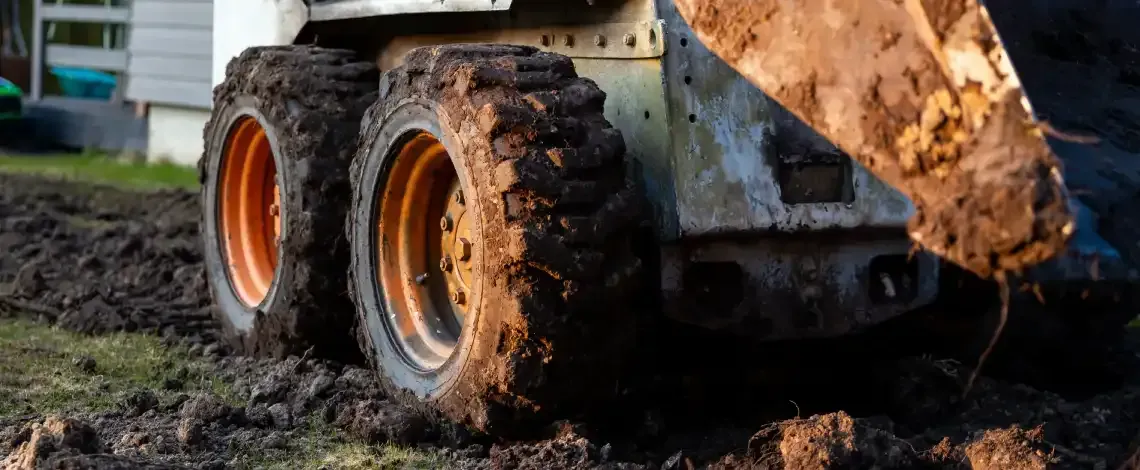
Land grading is the process of reshaping a property's surface to achieve the correct elevations and slopes. It may involve moving soil, removing excess material, filling low areas, compacting the ground, or creating a more gradual transition between different parts of the property. The goal is not simply to make the yard look level, but to make it perform correctly.
A properly graded property directs water away from structures, reduces standing water, and creates a more dependable base for future improvements. It also helps prepare the area for features such as patios, retaining walls, driveways, sheds, hot tubs, and new landscaping. Without the right grade, even a well-designed project can develop drainage or settling problems later.
Why Site Preparation Matters Before Any Major Project
Site preparation is the work completed before construction, hardscaping, or landscape installation begins. Depending on the project, the work may include land clearing, rough grading, excavation, drainage planning, soil compaction, utility trenching, and final grading. Each phase helps create a clean, stable, and accessible work area.
For example, a new paver patio may require excavation, a compacted base, and a slight slope to move water away from the home. A driveway may need proper subgrade preparation to reduce future shifting or low spots. A site preparation contractor in Ogden should evaluate the intended use of the space before deciding how to shape the surface.
The Problems That Can Happen When Grading Is Skipped
Poor grading is often easy to overlook at first because the surface may appear mostly level. Over time, though, water movement and soil settlement can reveal issues that affect both the property and the improvements built on it. Addressing grading early is usually more efficient than correcting avoidable damage after installation.
Common problems connected to poor site preparation include:
- Water pooling near foundations, patios, walkways, or driveways
- Erosion that washes away soil, mulch, or base material
- Uneven settling beneath hardscape and outdoor features
- Soft, muddy areas that remain difficult to use after rain or snowmelt
- Cracking, shifting, or sinking in patios, driveways, and walkways
- Drainage issues that affect nearby landscape beds or structures
Rough Grading vs. Final Grading
Rough grading is completed early in the project to establish the property's overall shape and elevation. It focuses on moving soil, creating broad slopes, and preparing the site for construction, drainage systems, or base materials. This stage is especially important for new builds, major outdoor renovations, and properties with uneven terrain.
Final grading happens closer to the end of the project. It smooths the surface, fine-tunes drainage direction, and prepares the property for sod, seed, planting, gravel, mulch, or other finished materials. Both stages matter because the first establishes the site's structure, while the second prepares it for a clean, usable finish.
How Proper Grading Protects Your Property From Water Issues
Water naturally follows the lowest point on a property. When the grade directs runoff toward a home, garage, retaining wall, or hardscape feature, that water can collect where it should not. Over time, this may contribute to soil erosion, soil saturation, surface damage, and ongoing maintenance concerns.
A properly planned grade creates positive drainage away from structures and toward appropriate drainage areas. In some cases, grading may be combined with drainage solutions such as swales, catch basins, French drains, or other systems that help manage runoff. ElmWood Landscape can evaluate the entire site rather than treating a water issue in isolation.
Projects That Usually Need Site Preparation
Not every outdoor project requires extensive excavation, but many improvements still benefit from careful site preparation. The amount of work depends on the existing slope, soil conditions, access, drainage patterns, and the finished feature being installed. Planning this work up front helps prevent unnecessary changes once construction begins.
Projects that commonly require grading and excavation in Northern Utah include:
- New home construction and additions
- Driveway excavation and driveway base preparation
- Paver patios, concrete patios, and walkways
- Retaining walls and decorative boulder installations
- Outdoor kitchens, pergolas, pavilions, and other outdoor living areas
- Shed pads, hot tub pads, and sport court bases
- Utility, plumbing, and propane tank excavation
- Landscape installation, lawn installation, and drainage correction
Why Northern Utah Properties Need a Site-Specific Plan
Properties throughout Northern Utah can vary significantly in slope, soil conditions, drainage needs, and access. A flat yard in Layton may require a very different approach than a sloped property in Ogden, Eden, or Huntsville. The right plan should account for how water moves across the site, where structures are located, and how the finished space will be used.
That is why grading should not be treated as a one-size-fits-all service. An experienced excavation contractor in Layton, UT, will assess the property before moving soil or setting final elevations. This helps ensure that the work supports both the immediate project and the property's long-term performance.
What to Expect From the Site Preparation Process
A professional grading and excavation process begins with an on-site evaluation. The contractor reviews the property’s slope, drainage patterns, access points, existing structures, and project goals before developing a plan. This step helps identify potential challenges before equipment arrives.
The work may then include clearing obstacles, removing or relocating soil, creating rough grades, installing drainage components, compacting materials, and preparing the finished surface. Once the major work is complete, final grading helps create a smooth transition into landscaping, hardscaping, or construction. The exact process depends on the size and purpose of the project.
Land Grading Is an Investment in Everything That Comes Next
The finished patio, driveway, lawn, or outdoor living area may get the most attention, but the preparation beneath it is what supports its performance. Proper land grading helps control water, reduce erosion, improve stability, and create a better foundation for future improvements. It is one of the most important steps in a successful outdoor project, even though it is often the least visible once the work is complete.
ElmWood Landscape provides land grading, site preparation, and complete excavation services for properties across Northern Utah.
Contact our team to discuss your project and get a clear plan for preparing your property before the next phase begins.